

Key takeaways
The packaging mistakes that cost the most are made before the dieline is locked, not on the artwork. The five that quietly drain margin:
- 01Choosing a format on looks, without transit-testing it.
- 02Optimizing for unit price while ignoring assembly time.
- 03Treating retailer and regulatory compliance as a late-stage check.
- 04Chasing the lowest unit price, then paying more in freight and storage to land it.
- 05Locking into a format that fits today's SKU but cannot scale.
Last updated August 2026.
Custom packaging is one of the few brand assets that's also an operating system. It carries your brand, but it also has to survive transit, clear a retailer's dock, move through fulfillment, and scale with your product line. When a packaging decision goes wrong, it rarely fails loudly; it looks like a reasonable call that quietly costs money for months. Across the 5,000+ brands in 20+ industries we work with, the same five calls are where packaging optimization is won or lost. Here is each one, what it costs, and how to fix it.
1. Choosing a Format on Visual Appeal Alone
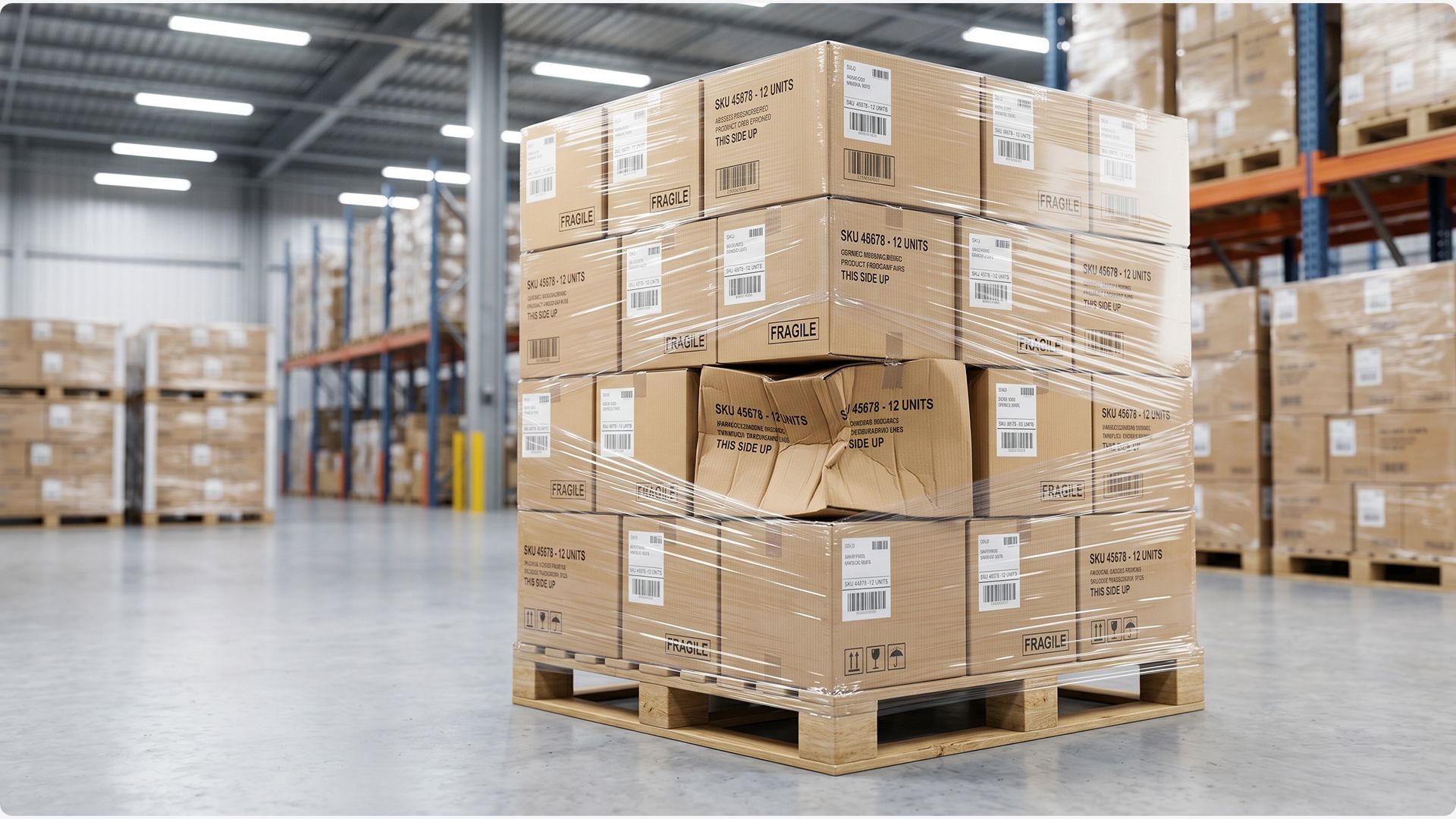

A format gets chosen because it looks premium in renders or on a competitor’s shelf. What no one validates is whether the structure can carry the product’s weight, hold its closure under stress, or survive the drops, compression, and vibration of real transit. The render and the road are different environments.
Material is part of this. The more expensive-looking option isn’t automatically the right one; the right material depends on the product’s journey.
For example, goods that travel long distances need durable, engineered corrugated, such as double-wall board where the load demands it. Products that live on a retail shelf often do better with a lightweight folding carton that stocks easily. Choosing on looks alone skips that question entirely.
What it costs: Damage in transit, returns that erode margin, and an unboxing moment that lands crushed. Industry-wide, roughly 3–4% of parcels, about one in 25, arrive damaged, and a fifth of all e-commerce returns are driven by items that arrive damaged (Opensend, 2025). On formats that were never transit-tested, we regularly see damage climb well above that baseline. In regulated categories like food, an untested format isn’t just a margin problem; it’s a recall and a safety problem.
The fix: Run transit testing during prototyping and pressure-test the material against the product’s real journey. Build quality assurance early against credible standards such as ISO 9001, G7 Master, FSC, and low-VOC inks, rather than trusting eyeball inspection. Structural design belongs before the artwork is locked, not after.
2. Optimizing for Unit Price, Ignoring Assembly Time
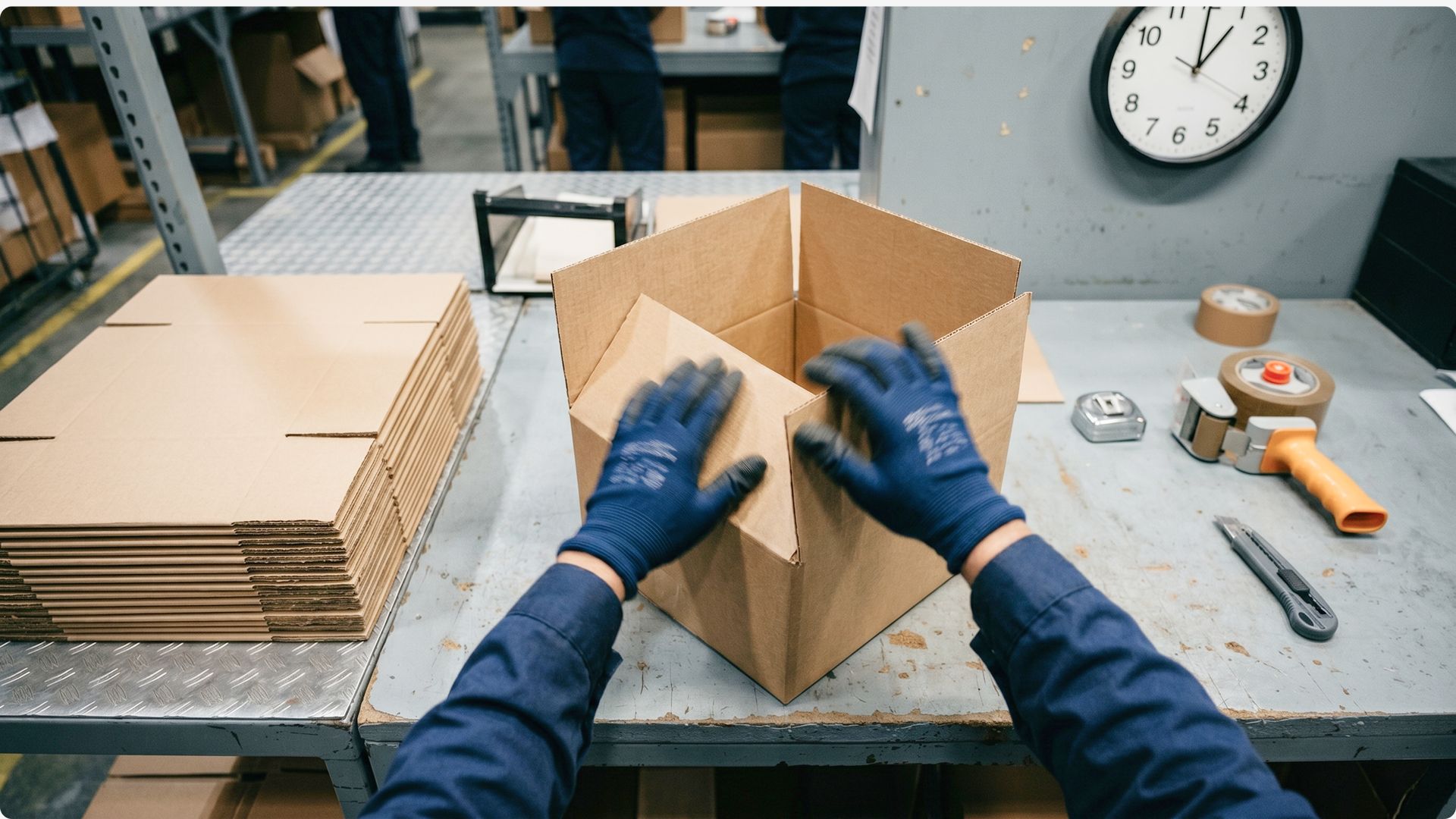
A brand picks the format with the lowest number on the quote. It ships flat, which looks efficient on paper. But a fiddly structure has to be hand-assembled, and that time is the real cost.
In the fulfillment runs we audit, a complex format can add a minute or more of assembly per unit. A single unit is negligible. Across annual volume, and especially during peak, that compounds into a throughput bottleneck and a growing labor line.
The right structure blends form and function. A collapsible rigid box, for example, delivers a premium unboxing moment but assembles quickly, so you don’t trade brand impact for fulfillment drag.
What it costs: Lost throughput when you can least afford it, and labor that scales with every order. The apparent win on unit price is usually a net loss once assembly time is counted.
The fix: Factor assembly time into the quote comparison before you sign off. The right format is the one that’s cheapest to land, ship, and build, not just the cheapest to buy. This is packaging process optimization in practice: the box that is fast to assemble, not just cheapest to source, is the one that protects your margin at peak, and counting fulfillment labor is part of judging your TCO.
3. Treating Compliance as a Late-Stage Check
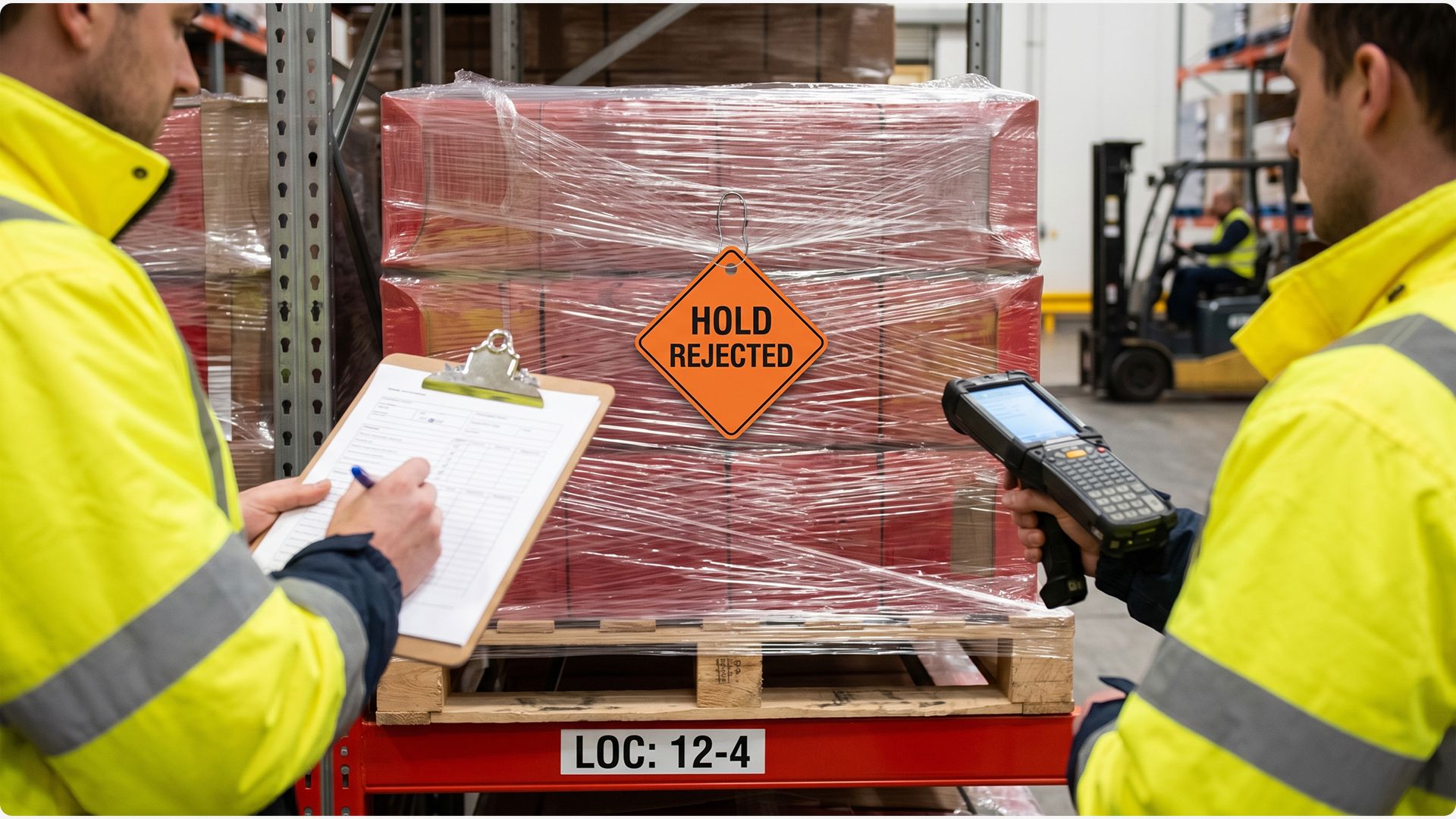
Most brands don’t ignore compliance. They outsource it, handing a finished design to a third-party auditor or consultant before it ships. The gap is timing and specificity. A general compliance review confirms your label copy and safety marks, but it rarely maps to what a specific retailer’s routing guide requires: barcode placement, pallet height, case-pack counts, and Fulfillment by Amazon (FBA) prep and transparency labels.
When that review happens after the dieline is locked, every correction comes back as a structural redraw rather than an edit.
What it costs: Pallet reroutes at your expense, chargebacks, and missed launch windows. Because the catch comes late, the fix often means re-tooling, not re-printing. A compliance miss doesn’t cost you a revision; it can cost you a launch window or strain the retail relationship.
The fix: Bring the retailer’s routing and packaging guide in before the dieline is finalized. Treat regulated-category rules, such as ingredients, allergens, country-of-origin, and recycling marks, as design inputs rather than a final-stage audit. Whether you vet in-house or with a compliance partner, the goal is to act while a correction still costs a redraw, not a relaunch.
4. Chasing the Lowest Unit Price, Paying More to Land It
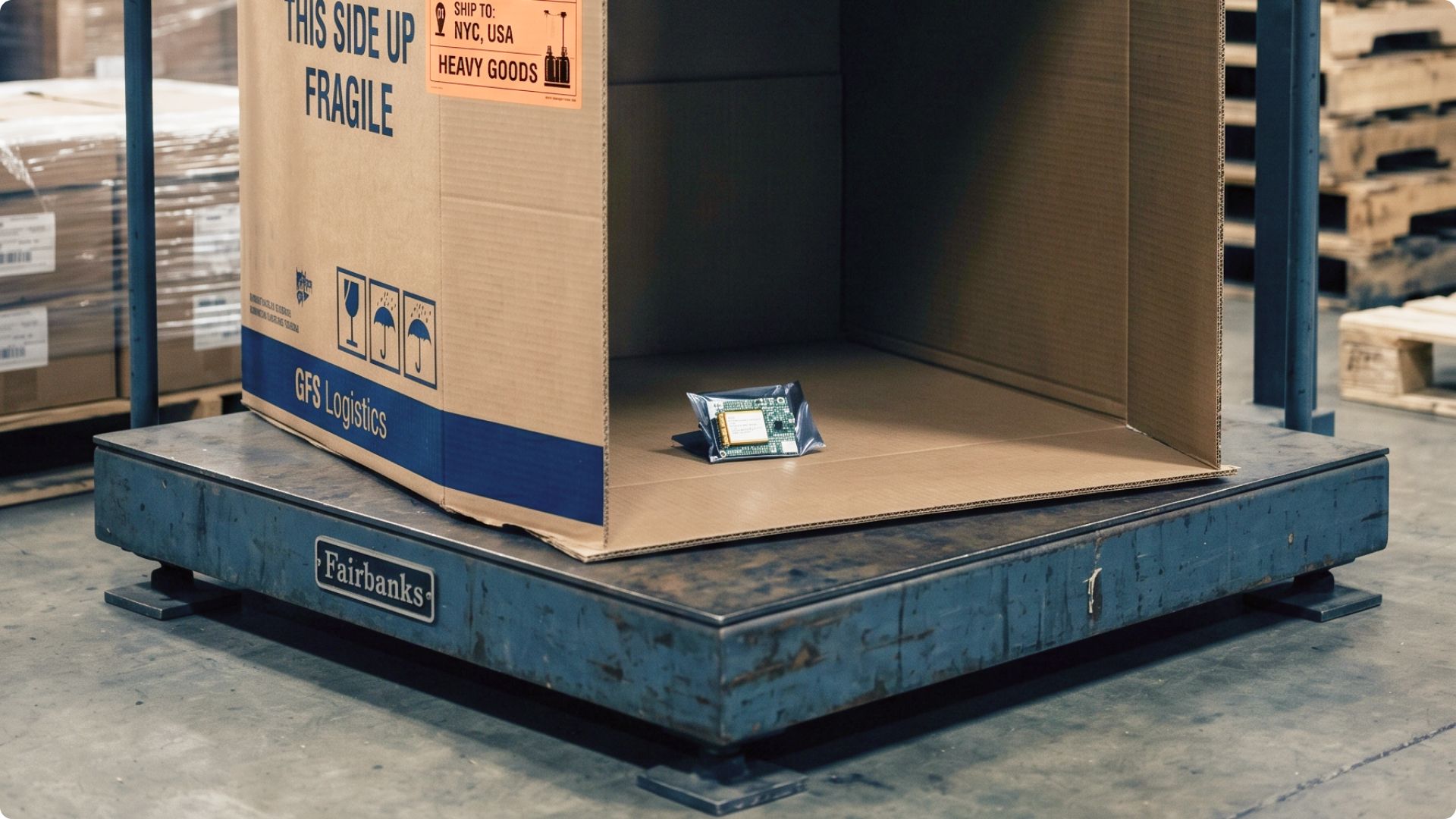
This is the same unit-price instinct, one layer out. A brand selects the lowest per-unit format, but it ships fully assembled, carries unfavorable dimensional weight (DIM), or sits in storage longer than planned. Wasted space is wasted money: oversized boxes and excess void fill mean you’re paying to ship and store air.
What it costs: A total landed cost that can run 15–30% higher than a right-sized alternative. Roughly a quarter of e-commerce package volume is empty space, and carton optimization can cut shipping cost by an average of 15%, and up to 35% (DHL). In jurisdictions with extended producer responsibility (EPR) rules, eco-modulation fees stack on top. These fees are charged by material weight and recyclability, and the gap widens each year as more regions adopt them.
The fix: Real packaging cost reduction starts with a true TCO model across freight, storage, defect rates, and tooling, then value-engineering the pack rather than simply cutting the unit price. Right-size the structure so the box fits the product, which is the single most reliable way to reduce shipping costs, then rethink what’s inside it.
Generic fillers such as loose foam peanuts, excess bubble wrap, and crumpled paper add bulk and weight without reliably protecting the product, and they read as waste to eco-conscious customers. A custom-fit insert, whether molded pulp, fitted corrugated, or foam cut to the product, typically protects better in less space. That trims DIM weight, material cost, and eco-modulation fees at once. Every component should earn its place by protecting the product or carrying the brand; if it does neither, it’s a cost you’re carrying for no return.
5. Locking into a Format That Fits Today but Not Tomorrow

A format gets chosen for today’s SKU range, today’s minimum order quantity (MOQ), and today’s sourcing geography. A year later come line extensions, a new retail channel, or fresh tariff exposure, and the format won’t stretch to any of it.
The reason is structural. The tooling was cut for one dieline, the MOQ was priced for one configuration, and the structure has no modular allowance for a larger or smaller variant. A second SKU, a retail-ready case, or a new sourcing region each restarts structural design from zero, and the packaging supply chain that ran smoothly for one product begins to strain under several. What fit perfectly at launch becomes the constraint on growth.
What it costs: Changing formats mid-program often means months of running old and new packaging in parallel: slow, expensive, and fragmenting to the brand at exactly the moment you need a consistent shelf presence.
The fix: Choose for portfolio scalability and multi-geography resilience, not just this order. A good format system anticipates your next product line and your next market, and a vetted global manufacturing network gives your packaging supply chain the flexibility to absorb tariff shifts or demand spikes without a redesign.
The Pattern Behind All 5
The throughline across all 5 is the same: the costly decision is made early, and the bill arrives late. None of these are artwork problems. They’re format, cost, compliance, and roadmap calls that look reasonable in isolation and quietly compound.
The fix is to treat packaging optimization as a system, not a line item: judge it on TCO rather than unit price, with transit testing, compliance, and a scalable structure built in before the dieline is locked. Get those calls right, and the design craft below is what remains to refine.
Request a custom quote and we'll run this evaluation against your current packaging program.
Frequently asked questions
Written by
5+ years in content strategy — building packaging case studies, guides, and blogs.